
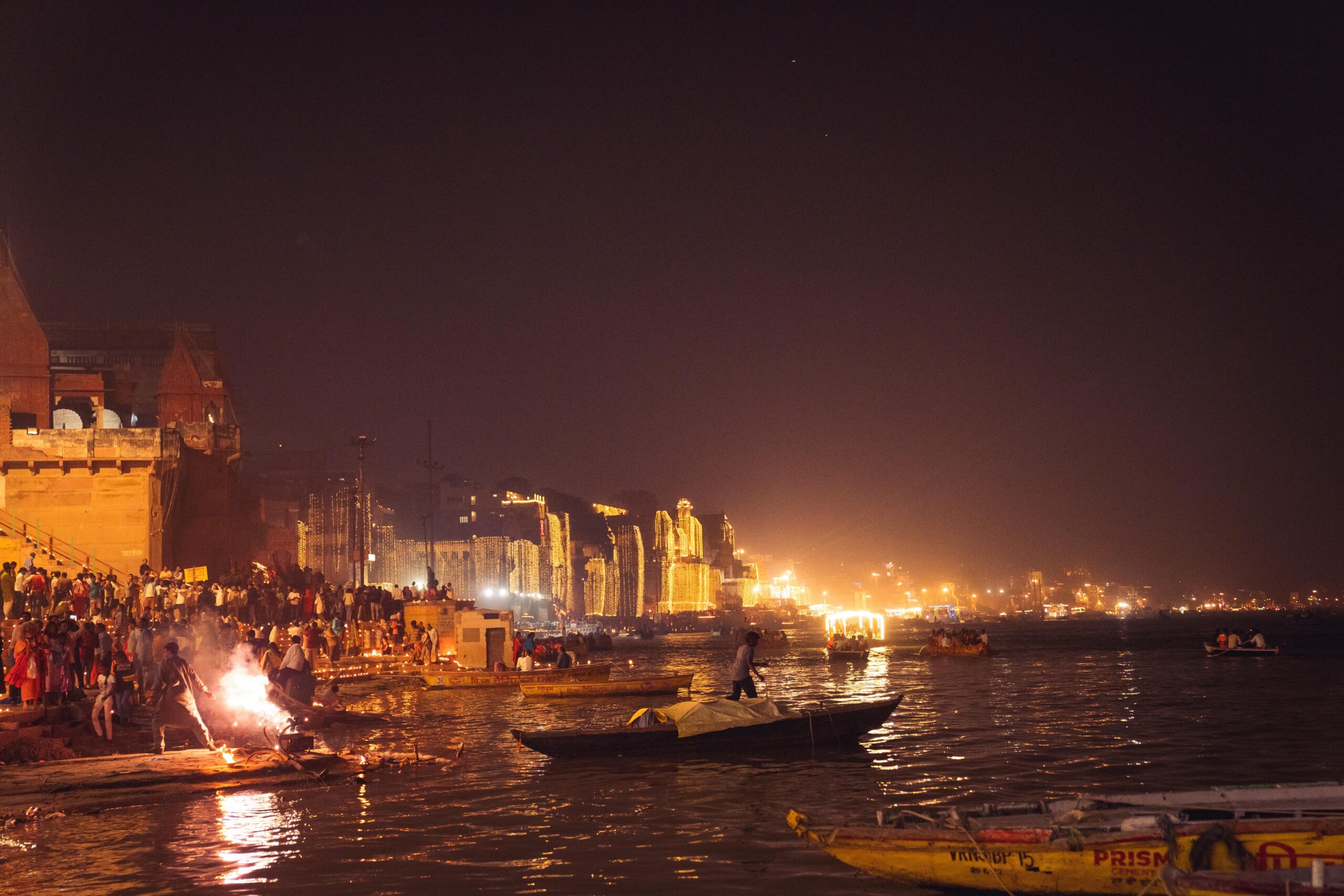
Kashi Shivratri Festival 2026 ,Have you ever witnessed a city transform into a living prayer? That’s exactly what happens in Kashi—the eternal city of Lord Shiva—during Maha Shivratri. When millions of devotees converge on the ghats of Varanasi, when temple bells ring through the night, and when the very air seems charged with spiritual electricity, you’re experiencing one of Hinduism’s most profound celebrations.
Maha Shivratri in Kashi isn’t just a festival—it’s a phenomenon. It’s when the city, already considered the abode of Shiva, reaches its spiritual zenith. The narrow lanes overflow with chanting pilgrims, the ghats shimmer with thousands of oil lamps, and an atmosphere of devotion so intense that even skeptics find themselves moved.
If you’re seeking to understand the depth of Hindu spirituality or simply want to witness one of India’s most spectacular religious gatherings, Shivratri in Kashi offers an experience that transcends ordinary tourism. This is pilgrimage, celebration, and spiritual awakening woven together in the fabric of one extraordinary night.
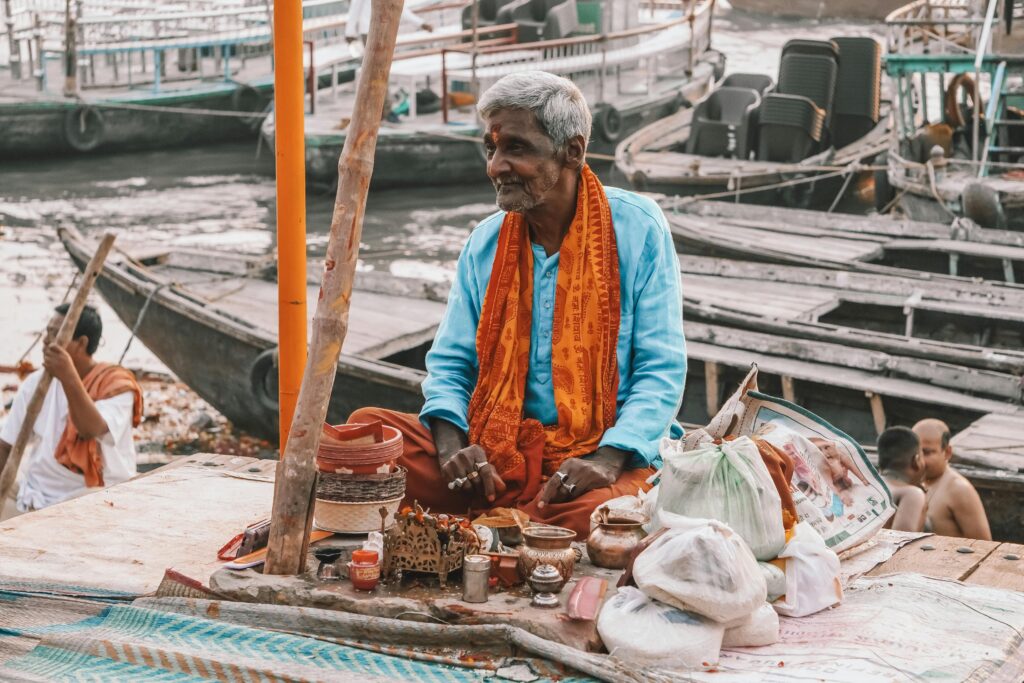
What is Maha Shivratri?
The Meaning Behind the Festival
Maha Shivratri literally translates to “The Great Night of Shiva.” Unlike most Hindu festivals that celebrate joyous occasions, Shivratri is observed with solemnity, fasting, and night-long worship. It’s the darkest night of the lunar month—when the moon is barely visible—symbolizing the darkness we must overcome to reach enlightenment.
This festival celebrates the cosmic dance of creation and destruction, the marriage of divine masculine and feminine energies, and the moment when Lord Shiva consumed poison to save the universe. But beyond mythology, Shivratri represents the possibility of human transformation—the death of ego and the awakening of consciousness.
When is Shivratri Celebrated?
Maha Shivratri falls on the 14th night of the dark fortnight in the Hindu month of Phalguna, which typically corresponds to February or March in the Gregorian calendar. The exact date changes yearly based on the lunar calendar, so pilgrims must check specific dates when planning their visit.
While Shivratri is observed monthly (the 14th day of every lunar month), Maha Shivratri is the most significant, attracting millions of devotees. In 2024, it was celebrated in March, and dates for subsequent years can be found through Hindu calendar resources.
Why Kashi is the Ultimate Destination for Shivratri
Why celebrate Shivratri specifically in Kashi when the festival is observed throughout India? Because Varanasi isn’t just associated with Shiva—it IS Shiva’s city. According to Hindu belief, Kashi existed before creation itself, held aloft on Shiva’s trident while the cosmic dissolution destroyed everything else.
The city’s very foundation is spiritual. Every stone, every ghat, every temple resonates with Shiva’s presence. The Kashi Vishwanath Temple houses one of the twelve sacred Jyotirlingas—manifestations of Shiva as pillars of infinite light. To worship Shiva in Kashi on Shivratri is to worship him in his own home, on his most auspicious night.
The concentration of temples, the sacred Ganges flowing through the city, and centuries of continuous worship have created an energy field that devotees describe as palpable. Millions believe that celebrating Shivratri in Kashi brings special blessings and can even grant moksha—liberation from the cycle of rebirth.
The Spiritual Significance of Shivratri in Varanasi
Lord Shiva’s Special Connection with Kashi
Shiva’s relationship with Kashi transcends the typical deity-city association. In Hindu cosmology, Shiva is called “Vishweshwar”—lord of the universe—and Kashi is his eternal abode. When he meditates, Kashi is where he sits. When he dances his cosmic dance (Tandava), Kashi is his stage.
Ancient texts describe how Shiva refuses to leave Kashi even during cosmic dissolution. This makes the city immortal—it exists beyond time and space. For devotees, being in Kashi means being in Shiva’s presence, and Shivratri intensifies this connection exponentially.
The concept of “Kashi Moksha” suggests that dying in Kashi with Shiva’s name on your lips guarantees liberation. While Shivratri doesn’t require dying, it offers a symbolic death—the death of ignorance, ego, and worldly attachments through intense spiritual practice.
The Legend of Shiva and Parvati’s Marriage
One of the primary legends associated with Shivratri is the divine marriage of Shiva and Parvati. After Shiva’s first wife Sati immolated herself, the ascetic lord withdrew into deep meditation, threatening cosmic balance. Sati was reborn as Parvati and performed intense penance to win Shiva’s attention.
Their union on Shivratri night represents the merger of Purusha (consciousness) and Prakriti (nature), the masculine and feminine principles that create the universe. In Kashi, this cosmic marriage is celebrated with particular fervor, as the city embodies this divine balance—the material and spiritual, the earthly and transcendent existing in harmony.
Married couples often observe Shivratri together, seeking blessings for their unions. Unmarried women fast for good husbands, and men seek the strength and detachment exemplified by Shiva.
Breaking the Cycle of Birth and Death
The deeper significance of Shivratri lies in its promise of spiritual liberation. The night-long vigil, fasting, and worship are designed to transcend normal consciousness. By staying awake through the darkest night, devotees symbolically conquer the darkness of ignorance.
In Kashi, this takes on amplified meaning. The city itself is considered a tirtha—a crossing place between worldly existence and liberation. Combining this location’s power with Shivratri’s auspiciousness creates what believers consider the perfect conditions for spiritual breakthrough.
The practices aren’t merely ritualistic—they’re psycho-spiritual technologies. Fasting cleanses the body, vigil sharpens awareness, repetitive chanting focuses the mind, and the collective energy of millions in prayer creates a transformative atmosphere.
Major Temples for Shivratri Celebrations in Kashi
Kashi Vishwanath Temple
The undisputed center of Shivratri celebrations in Varanasi is the Kashi Vishwanath Temple, home to one of the twelve Jyotirlingas. On Shivratri night, this temple becomes the beating heart of the city’s devotion. Queues of devotees stretch for kilometers, sometimes requiring 6-8 hours of waiting for a few seconds of darshan (sacred viewing).
The temple management organizes special rituals throughout the night. The Shivalinga is bathed in milk, honey, yogurt, ghee, and water in continuous abhishekam ceremonies. The air vibrates with “Om Namah Shivaya” chanted by thousands simultaneously. Priests perform elaborate pujas while devotees offer bel leaves, flowers, and sacred Ganges water.
The recently expanded Kashi Vishwanath Corridor has improved access and facilities, though Shivratri still tests the infrastructure. The experience of finally reaching the sanctum after hours of patient waiting, joining the ancient current of devotion flowing through this temple for millennia, is indescribably powerful.
Kal Bhairav Temple
Kal Bhairav, considered Kashi’s spiritual protector and a fierce manifestation of Shiva, receives special worship on Shivratri. This temple, located in the old city, follows unique traditions—devotees offer liquor to the deity, a practice found nowhere else in mainstream Hinduism.
On Shivratri, the temple sees massive crowds. Kal Bhairav is called the “Kotwal” (police chief) of Kashi, and it’s believed that Shiva himself appointed Bhairav to guard the city. Many devotees visit Kal Bhairav before or after Vishwanath Temple, considering it essential to seek the protector’s blessings.
The atmosphere here is intense—the fierce iconography, the unconventional offerings, and the devotion of local residents create an experience quite different from other temples. It’s Shiva’s wild, untamed aspect on full display.
Tilbhandeshwar Mahadev Temple
Lesser-known among tourists but highly significant for locals, Tilbhandeshwar Temple is associated with a Shivalinga believed to increase in size over time. The temple’s peaceful location away from the main tourist circuit allows for more contemplative worship.
During Shivratri, this temple offers a different experience—less crowded than Vishwanath but equally devoted. Families come here for traditional observances, and the atmosphere feels more intimate. The temple courtyard hosts bhajan (devotional song) sessions throughout the night, creating a meditative environment perfect for those seeking quieter celebration.
Kedareshwar Temple
Tucked away in the lanes near Kedar Ghat, Kedareshwar Temple connects to the famous Kedarnath shrine in the Himalayas. Legend says that Shiva, pleased with the devotion of Kashi’s residents, replicated himself here so they wouldn’t have to undertake the difficult Himalayan pilgrimage.
On Shivratri, Kedareshwar attracts devotees who might not reach Vishwanath due to crowds. The temple’s location near the ghats adds the element of Ganga darshan. Many pilgrims bathe in the Ganges at Kedar Ghat before worshipping here, combining water and fire elements in their spiritual practice.
The Rituals and Observances of Shivratri
Fasting and Its Spiritual Benefits
Fasting on Shivratri is central to the observance. Devotees abstain from food and sometimes even water for the entire day and night—approximately 24 hours. Strict observers consume nothing, while others follow lighter fasts, eating only fruits and milk products once.
The spiritual logic behind fasting is purification. By giving the digestive system rest, energy that would go toward processing food becomes available for spiritual practice. Fasting also develops willpower and demonstrates devotion through voluntary sacrifice.
From a physiological perspective, fasting creates a mild altered state of consciousness—combined with sleep deprivation from the all-night vigil, this can lead to heightened spiritual experiences. Many devotees report feeling closer to the divine during these fasting states.
Night-Long Vigil (Jagaran)
Staying awake throughout Shivratri night is called “jagaran,” meaning awakening. This isn’t passive wakefulness—it’s active spiritual practice through chanting, singing, listening to spiritual discourses, and meditation. The vigil represents conquering tamas (darkness/inertia) and awakening consciousness.
In Kashi, jagaran takes many forms. Some devotees remain in temples participating in continuous puja. Others join group bhajan sessions in ashrams or community spaces. Still others walk through the city in processions, chanting Shiva’s names. The streets of Varanasi buzz with activity all night—nobody sleeps during Shivratri.
The night is divided into four prahar (watches), with specific rituals performed during each. The most auspicious time is considered to be midnight to 3 AM, when Shiva’s energy is believed most accessible.
Abhishekam – The Sacred Bathing Ritual
Abhishekam—ritualistic bathing of the Shivalinga—is Shivratri’s defining ritual. Devotees pour milk, honey, yogurt, ghee, sugar, water, and Ganges water over the Shivalinga while chanting mantras. Each substance has symbolic meaning: milk for purity, honey for sweetness of speech, yogurt for prosperity, ghee for victory, sugar for happiness.
In Kashi’s temples, abhishekam continues throughout the night in elaborate ceremonies. The quantity of offerings is staggering—thousands of liters of milk, hundreds of kilograms of honey and other materials. The substances flow over the lingam and drain away, symbolizing the impermanence of material offerings and the eternal nature of devotion.
Participating in or witnessing abhishekam creates visceral connections to ancient traditions. The repetitive pouring, the chanting, the fragrance of sandalwood and flowers—all combine to create an immersive sensory-spiritual experience.
The Grand Procession – Shivratri Shobha Yatra
One of Shivratri’s most spectacular aspects in Kashi is the Shobha Yatra—grand procession through the city streets. Organized by various religious organizations and the administration, this procession features decorated chariots, music, dance, and thousands of participants.
The procession typically includes representations of Shiva and Parvati, accompanied by devotees dressed as various deities and mythological characters. Dhol (drum) players, nagada (kettledrum) performers, and horn blowers create deafening music. Ash-smeared sadhus in saffron robes carry tridents and damarus (small drums), embodying Shiva’s ascetic aspect.
The route winds through major streets and ghats, allowing maximum participation. Residents line the roads, throwing flowers and showering the procession with rose petals. Temporary stages along the route host cultural programs and religious discourses. The atmosphere is festive yet devotional—celebration merged with worship.
For visitors, the Shobha Yatra offers incredible photo opportunities and cultural immersion, though the crowds require patience and awareness. Finding a good vantage point early is key to enjoying this spectacle.
Ganga Aarti on Shivratri Night
The daily Ganga Aarti at Dashashwamedh Ghat is spectacular, but on Shivratri night, it reaches unprecedented grandeur. The ceremony begins at its usual time but continues with special intensity and longer duration. Additional priests participate, more lamps are lit, and the crowds swell exponentially.
The aarti on Shivratri combines worship of the Ganges with worship of Shiva—honoring both the river goddess and the lord who released her from his matted locks. The synchronized movements of priests holding massive fire lamps, the overwhelming sound of bells and conch shells, and the sight of the illuminated ghat reflecting in the river create an unforgettable spectacle.
Many devotees take holy dips in the Ganges on Shivratri before attending aarti. The river is considered especially purifying on this night. Boat rides during aarti time are popular, offering unique perspectives on the ceremony, though they must be booked well in advance.
Traditional Offerings and Prasad
Traditional Shivratri offerings in Kashi include bel (wood apple) leaves—Shiva’s favorite—along with dhatura flowers, cannabis leaves (offered symbolically to the ascetic deity), white flowers, and bilva fruit. These items are available from vendors around temples, though devotees can also bring their own.
Water from the Ganges holds special significance. Many devotees collect Ganga jal in small copper vessels and carry it to temples as offerings. The act of carrying sacred water is itself a devotional practice, with some pilgrims walking considerable distances.
After puja, prasad (blessed food) is distributed. On Shivratri, prasad is typically simple—fruits, especially ber (Indian jujube), and sugar-based sweets. The prasad from Kashi Vishwanath is particularly sought after, believed to carry Shiva’s blessings. Devotees often save some to take home and share with family members who couldn’t make the pilgrimage.
Bhandara (community feasts) are organized throughout the city, where food is distributed free to devotees and especially to sadhus. Participating in or contributing to these communal meals is considered meritorious.
Cultural Programs and Spiritual Discourses
Beyond temple rituals, Shivratri in Kashi features extensive cultural programming. Major temples and organizations host performances of classical music and dance throughout the night. Renowned artists consider it an honor to perform on Shivratri, and their concerts draw huge audiences.
Spiritual discourses by learned scholars and gurus happen at various venues. These talks explain Shivratri’s deeper meanings, explore Shiva’s symbolism in Hindu philosophy, and offer guidance on spiritual practice. Many are conducted in Hindi, though some organizations arrange English discourses for international devotees.
Documentary screenings about Shiva, Kashi’s history, and spiritual topics provide educational entertainment. Some venues show classic films on mythological themes. These programs serve devotees who want to stay awake but need breaks from intensive ritual participation.
Drama and theatrical performances depicting Shiva’s stories—his marriage to Parvati, his tandava dance, the churning of the ocean—bring mythology to life. Street theater groups perform in various locations, making these tales accessible to all.
The Atmosphere in Kashi During Shivratri
Crowds and Pilgrims
Let’s be honest—Shivratri in Kashi is crowded. We’re talking millions of people in a relatively small urban area. The old city, already dense, becomes nearly impassable. Queue management systems are in place for major temples, but waiting times are substantial. Personal space becomes a foreign concept.
Yet there’s something beautiful about this overwhelming humanity. You’re sharing this experience with people who’ve traveled from remote villages, who’ve saved money all year for this pilgrimage, who believe with absolute conviction in the sacred significance of this night. The diversity is stunning—wealthy urbanites beside impoverished villagers, young seekers beside ancient sadhus, foreigners beside locals—all united in devotion.
The crowds require patience and planning. Carry minimal belongings, stay hydrated, wear comfortable shoes, and maintain awareness of your surroundings. Groups should establish meeting points in case of separation. But embrace the intensity—it’s part of the authentic experience.
Decorations and Illuminations
Kashi transforms visually for Shivratri. Temples are decorated with flowers, lights, and colorful fabrics. The ghats are lined with thousands of diyas (oil lamps) creating rivers of light along the Ganges. Modern lighting illuminates major temples and monuments, while traditional lamps maintain ancient ambiance in lanes and smaller shrines.
Rangoli designs adorn temple entrances and courtyards—intricate patterns made from colored powders, flowers, and rice. These temporary artworks, created fresh for the festival, represent the impermanent beauty of material creation.
Banners and flags bearing Shiva’s symbols—the trishul (trident), damaru (drum), and snake—fly from buildings. Shops and homes display pictures and statues of Shiva. The entire city becomes a canvas expressing devotion through visual art.
As night deepens and millions of lamps burn simultaneously, the city glows with an otherworldly light. Photographing this illuminated landscape tests skills and equipment, but captures moments of ethereal beauty.
How to Participate in Shivratri Celebrations
For First-Time Visitors
If this is your first Shivratri in Kashi, preparation is crucial. Research the festival beforehand to understand its significance and rituals. Dress modestly in comfortable, conservative clothing—loose pants or long skirts, covered shoulders, and shoes you can easily remove (you’ll do this dozens of times entering temples).
Consider hiring a knowledgeable local guide who can navigate the crowds, explain rituals, and ensure you experience key events. Many guides specialize in religious tourism and can provide context that transforms observation into understanding.
Don’t try to see everything. Choose a few key experiences—perhaps Vishwanath darshan, the Shobha Yatra, and Ganga Aarti—and allow plenty of time for each. Rushing through crowds leads to frustration and missed moments. Quality over quantity applies especially on this intense night.
Stay flexible. Despite planning, crowds and circumstances may force itinerary changes. Approach the festival with openness rather than rigid expectations. Some of the most powerful experiences happen unexpectedly in quiet moments between major events.
Booking and Planning Tips
Book accommodation months in advance—literally. Hotels near the ghats fill up immediately once Shivratri dates are announced. Expect premium pricing during this period. Properties farther from the action cost less but require longer travel times through crowded streets.
If staying in the old city, understand that vehicle access is limited. You’ll likely walk considerable distances. Pack light and wear a money belt or secure bag. Consider staying two nights—one before and one after—rather than attempting arrival and departure on Shivratri day itself.
Make temple VIP darshan bookings if available. Kashi Vishwanath offers special entry passes that significantly reduce waiting time. These can be booked online through official channels or sometimes through your hotel. The cost is nominal compared to the time saved.
Research any COVID-related or security protocols. Large gatherings may require registrations, health declarations, or security screenings. Having necessary documents and permissions prevents last-minute complications.
Experiencing Shivratri Beyond the Temples
While temples are central to Shivratri, the festival permeates all of Kashi. Walk through residential neighborhoods and you’ll find families conducting pujas at home shrines. Street-corner temples host small gatherings of neighbors praying together. These intimate observances offer glimpses into how locals experience Shivratri personally.
Visit the ghats throughout the night. Each major ghat has its own character and activities. Assi Ghat attracts younger crowds and has a more informal atmosphere. Manikarnika Ghat, the main cremation site, operates continuously—a stark reminder of mortality and Shiva’s role as destroyer and transformer. Kedar Ghat offers relatively calm spaces for meditation and reflection.
Exploring the lanes themselves becomes a spiritual experience. The chanting echoing off ancient walls, the fragrance of incense and flowers, the sight of sadhus in deep meditation, random acts of charity and kindness—the whole city vibrates with heightened consciousness.
Many ashrams welcome visitors for bhajan sessions or meditation. Participating in these smaller group activities provides respite from the crowds while deepening your connection to Shivratri’s spiritual dimensions. Some ashrams serve prasad and tea to visitors—simple hospitality that embodies the festival’s communal spirit.
Personal Transformation Through Shivratri
For many devotees, Shivratri isn’t just an annual ritual—it’s a catalyst for personal transformation. The combination of fasting, vigil, intensive prayer, and immersion in sacred space creates conditions for profound psychological and spiritual shifts.
Psychologically, the practices cultivate discipline, devotion, and detachment. Maintaining a vow of fasting and wakefulness despite discomfort develops willpower that extends beyond the festival. The repetitive nature of chanting induces meditative states that quiet mental chatter and connect practitioners to deeper awareness.
Spiritually, many report feeling Shiva’s presence directly—whether as overwhelming love, profound peace, or sudden insights into existence’s nature. Skeptics might attribute these to exhaustion and suggestion, but for believers, they’re genuine encounters with the divine.
The communal aspect matters too. Celebrating with millions of fellow devotees, witnessing their sincere faith, and sharing in collective worship creates feelings of connection and belonging that combat modern isolation. You’re participating in traditions thousands of years old, linking you to countless generations of seekers.
Some people plan significant life changes around Shivratri—beginning spiritual practices, making vows of self-improvement, or seeking resolution to personal struggles. The festival’s energy and Kashi’s atmosphere support these intentions, though lasting transformation requires ongoing commitment beyond the festival itself.
Photography and Documentation Guidelines
Photography at Shivratri events requires sensitivity and awareness. Always ask permission before photographing people, especially sadhus and during religious rituals. Many are happy to pose, but some prefer privacy in their spiritual practices. Respect refusals graciously.
Inside temple sanctums, photography is typically prohibited. Security enforces these rules strictly at major temples. Don’t attempt to sneak photos—it’s disrespectful and could result in confiscation of your device or ejection from the premises. Focus on experiencing the moment directly rather than through a lens.
The Shobha Yatra, public gatherings, and ghat scenes offer excellent photographic opportunities where cameras are generally welcome. The challenge is technical—night photography in crowded conditions with mixed lighting. Bring equipment suitable for low light, protect it from jostling crowds, and perhaps carry a small secondary camera rather than expensive gear that attracts unwanted attention.
Video documentation follows similar principles. Drone photography is prohibited over religious sites and during major gatherings for security reasons. Always check regulations and obtain necessary permissions for professional photography or filming.
Some of the most powerful photos come from simple smartphone cameras capturing authentic moments—a child’s wonder, an elder’s devotion, the play of light on water. Technical perfection matters less than emotional truth.
Conclusion
Experiencing Maha Shivratri in Kashi is like stepping into the stream of eternity. The ancient city, already timeless, transcends ordinary reality during this night when millions gather to worship the lord who destroys illusion and reveals truth. The crowds that might seem overwhelming in other contexts become expressions of collective devotion—humanity at its most spiritually focused.
Whether you approach Shivratri as a devout pilgrim, curious traveler, or seeker of transcendent experiences, Kashi offers something profound. The rituals connect you to traditions extending back millennia. The temples, ghats, and river provide sacred geography that has witnessed countless generations of worship. The atmosphere—charged with prayer, music, and devotion—creates spaces where ordinary consciousness shifts and something deeper becomes accessible.
Yes, it’s challenging. The crowds test patience, the fasting and vigil test endurance, and the intensity tests emotional and spiritual capacity. But these difficulties are part of the festival’s transformative power. By pushing past comfort zones, you create space for experiences that don’t fit into ordinary life.
Shivratri in Kashi isn’t just an event to attend—it’s an invitation to participate in one of humanity’s oldest and most profound spiritual celebrations. It asks you to wake up, quite literally, to possibilities beyond everyday existence. And in this ancient city on the banks of the eternal river, under the watchful presence of Mahadev himself, that awakening becomes not just possible but palpable.
Come prepared, stay open, and allow Kashi’s Shivratri to work its magic. You’ll leave exhausted, overwhelmed, and transformed—carrying memories and perhaps insights that last far beyond the festival night itself.
FAQs
1. What is the best way to get darshan at Kashi Vishwanath Temple during Shivratri?
Book VIP or special darshan passes online in advance through the official Shri Kashi Vishwanath Temple Trust website. These reduce waiting time from 6-8 hours to 1-2 hours. Alternatively, arrive very early morning (3-5 AM) or late morning (10 AM-noon) when crowds are relatively thinner. Regular darshan requires enormous patience—bring water, snacks for after fasting breaks, and be prepared for long queues. Senior citizens and differently-abled visitors have separate queues that move faster. Hiring a local guide familiar with the temple can help navigate the process more efficiently.
2. Can non-Hindus participate in Shivratri celebrations in Varanasi?
Absolutely! Kashi welcomes seekers of all backgrounds. Non-Hindus can attend public celebrations, watch the Shobha Yatra, participate in Ganga Aarti, and visit most temples. However, the inner sanctum of Kashi Vishwanath Temple is restricted to Hindus only—signs clearly indicate this. Many other Shiva temples have no such restrictions. Approach the festival with respect and cultural sensitivity—dress modestly, follow temple etiquette, and show reverence for practices even if you don’t share the beliefs. Many foreigners find Shivratri deeply moving regardless of their religious backgrounds.
3. Is it necessary to fast for the entire 24 hours on Shivratri?
Fasting is traditional but not mandatory. Devout Hindus observe strict fasts consuming nothing, while others eat fruits and milk products once during the day. If you have health conditions, are pregnant, elderly, or simply unable to fast safely, there’s no spiritual penalty for eating. The important thing is devotion and participation according to your capacity. You can observe Shivratri meaningfully through prayer, temple visits, and attending ceremonies without fasting. Listen to your body and make choices that support your wellbeing while respecting the tradition.
4. What should I wear to Shivratri celebrations in Kashi?
Dress modestly and comfortably. For women: loose pants or long skirts (covering knees), tops covering shoulders and chest, comfortable walking shoes you can easily remove. Carrying a large scarf or dupatta is useful for additional coverage in temples. For men: long pants (not shorts), shirts covering shoulders (sleeveless shirts may be inappropriate in some temples), comfortable walking shoes. Choose natural, breathable fabrics given the crowds and walking. Avoid expensive jewelry and flashy clothing. White, saffron, or simple colors are appropriate. Many devotees wear traditional Indian clothing which is comfortable and culturally fitting.
5. How can I stay safe in the massive crowds during Shivratri in Varanasi?
Travel in groups when possible and establish meeting points if separated. Keep valuables secure in money belts or front pockets—avoid carrying backpacks in dense crowds. Share your live location with friends/family via smartphone apps. Stay hydrated but limit fluid intake before entering long temple queues with no bathroom access. Keep phone charged and carry power banks. Follow crowd flow rather than fighting against it. If you feel overwhelmed or claustrophobic, move to edges or exit the area. Avoid getting trapped in bottlenecks at temple entrances. Keep emergency numbers saved in your phone. Most importantly, stay aware of your surroundings while remaining calm—panic causes more problems than the crowds themselves.




Comments are closed.